


History of Mexiquillo
Discover this beautiful destination: “Mexiquillo”
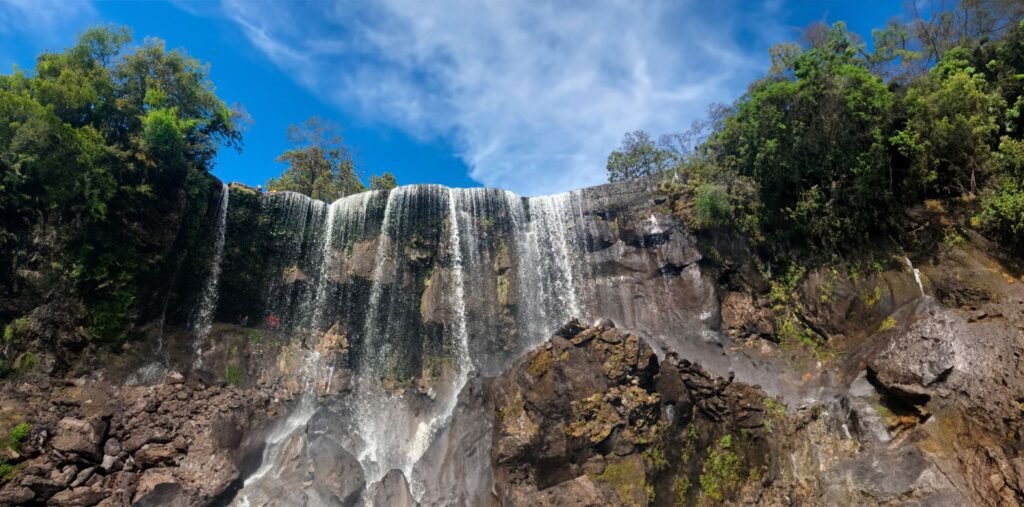
Discover this beautiful destination: “Mexiquillo” Among the natural wonders of our country, there is a natural park located in the municipality of Pueblo Nuevo, Durango; it is called Mexiquillo Park and is one of the most beautiful and visited natural landscapes in this state of the Mexican Republic.
Mexiquillo is a tourist destination located in the impressive Sierra Madre Occidental of Mexico. With a foundation dating back to ancient times, this place holds within its lands and landscapes a rich history full of mysteries and fascinating tales. If you wish to discover everything about this beautiful area, from its foundation to its most outstanding moments, read on. In this article, we will share what makes Mexiquillo a unique place worth exploring.
Origins of Mexiquillo Natural Park
In 1898, a group of landowners with forest properties in the region of El Salto, Durango, sought to build a railroad. Their goal was to facilitate timber extraction from the mountain region, with its destination being the main Pacific port of that time: Mazatlán.
The town of La Ciudad began around 1960 as a temporary settlement for workers of the numerous sawmills built in the surroundings and for the builders of the Durango-Pacific railroad, commissioned by former President Adolfo López Mateos.
It is said that the name Mexiquillo is because different engineers from the great Mexico City arrived at this non-established town during the construction of the railroad embankment. Since most Mexicans still have the habit of using diminutives, they referred to the place where the engineers arrived as a “little Mexico” (México chiquito), eventually naming it “Mexiquillo”.
Embankments, tunnels, and roads were built to begin laying the tracks. This path was conditioned through lush trees, and tunnels were made in the steepest areas to navigate the most difficult terrains. There are nine large tunnels, several with a width of five meters and a height of six meters. The investment was made for the railroad path; however, another similar project, the Durango-Mazatlán free highway of the 1950s, became a more reliable and less expensive project to connect the coast with the state capital. Towards the end of President López Mateos’ government, the railway plan was canceled in favor of continuing the highway that would eventually be completed by the end of the term.
The town of La Ciudad remained on the new highway route, while the embankments and tunnels survived through the railroad layout. Over time, more and more visitors were willing to walk to admire the waterfalls from the embankments and tunnels left by the unfinished project. Thus, the idea was born to turn the area into a natural park and a tourist development, opening the door for the creation of one of the most beautiful natural parks in the country: Mexiquillo.
Mexiquillo is located within the town called La Ciudad, in the Sierra Madre Occidental, within the natural region known as the Sierra de Durango, acting as a boundary to the Quebradas region. It is approximately 145 kilometers from the capital city of Durango.
In 2012, the “Baluarte Bridge” was inaugurated, connecting the states of Durango and Sinaloa, facilitating communication and transport between these regions. Part of the Durango-Mazatlán highway, it is recognized for its architectural design and striking mountain landscape. This bridge is an impressive work of engineering, being one of the highest suspension bridges in the world, with a height of approximately 402.57 meters over the Baluarte River and a length of 1,124 meters. Since its inauguration, it has greatly benefited Mexiquillo Park, significantly reducing travel time from both Durango and Mazatlán.
Mexiquillo Park covers 13,475 hectares, of which 15,275 hectares are virgin forest designated as an ecological reserve. The natural beauty and attractions of the site, such as rock formations, waterfalls, and forests, sparked the interest of authorities and the local community to conserve and promote this space as a tourist destination.
Today, Mexiquillo Natural Park has become an important high-mountain tourist destination in Mexico’s Sierra Madre Occidental. It offers a wide range of ecotourism and adventure activities, allowing visitors to enjoy the natural beauty of its landscapes, explore its trails, and immerse themselves in the richness of its natural environment.
Transformation into a Natural Park and Attractions
Mexiquillo’s transformation toward tourism development and its conversion into a natural park with attractions took place gradually, driven by the interest of visitors and the local community in harnessing its tourism potential and preserving its natural beauty. This process was based on valuing the area’s natural and cultural resources, as well as implementing environmental protection measures and promoting sustainable activities.
As tourists began visiting Mexiquillo, the area’s tourism potential became clear. The beauty of the rock formations, waterfalls, and forests caught the attention of authorities and the local community, who recognized the importance of conserving and promoting this space as a tourist destination.
Studies and analyses were conducted to evaluate the feasibility of turning the area into a natural park. Boundaries were defined, and environmental protection measures were established to safeguard its rich biodiversity and preserve its natural surroundings. Additionally, the necessary infrastructure and services were implemented to facilitate visits and ensure tourist safety.
Tourism development was carried out in a planned and sustainable manner, taking into account the conservation of the natural environment and the preservation of the area’s cultural values. Ecotourism and adventure activities, such as camping, hiking, rappelling, and mountain biking, were encouraged, allowing visitors to enjoy nature responsibly.
Mexiquillo’s promotion as a tourist destination was carried out through marketing campaigns, participation in tourism fairs and events, and collaboration with local and regional tour operators. Its natural attractions, landscape diversity, and the opportunity for unique nature-based experiences were highlighted.
Natural Attractions of Mexiquillo Natural Park
One of Mexiquillo’s greatest attractions is the rock formations in the park’s plains, which exceed 7 and 8 meters in height and are made of extrusive igneous rock and rhyolite. There are also numerous waterfalls in the park, with the Mexiquillo waterfall being the most famous, standing 20 meters tall. The park’s three rivers feature waterfalls exceeding 50 meters. (We will discuss all of this in more detail later).
Tours in Mexiquillo Natural Park by Hostal Mexiquillo
What activities are recommended according to the weather in Mexiquillo?
Various activities are available; generally, the area is cold in the mornings and at sunset, with significant rain in the afternoons during summer, though the sun is usually intense during the day. You can enjoy walking along the trails and feeling the fresh, pure air. To keep it that way, remember NOT TO LITTER, as walking is the best way to experience the place if you truly want to connect with nature in every sense. Using motorized vehicles like RZRs or ATVs is not recommended, as the noise pollution scares away birds and diminishes the feeling of being in a natural environment, besides impacting the soil. Walking is preferred, ideally with a certified guide, or by bike or horse, to enjoy the weather, scents, and beautiful landscapes perfect for incredible photos.
Imagine walking among ancient rock formations, exploring secret tunnels, and wandering between waterfalls—all with stunning views of breathtaking landscapes that will make you feel in paradise. While these igneous rock paths are a great choice year-round, winter covers the entire territory in white snow, offering another unforgettable option for those visiting Mexiquillo.
Here, you can observe the local mountain fauna, including woodpeckers, Steller’s jays, squirrels, the Durango chipmunk (chichimoco), and wild rabbits, among others.
Vegetation
The park’s forest is lush and varies greatly in vegetation due to climates caused by topography and altitude. Mexiquillo features exuberant and diverse vegetation, typical of the Sierra Madre Occidental. The combination of climate, altitudes, and geographical conditions has given rise to a wide variety of ecosystems and vegetation types in this mountainous region.
In the forests of Mexiquillo, coniferous species predominate, such as Pinus durangensis (Durango pine) and Pinus engelmannii (Apache pine), which are endemic to the area. These towering trees rise majestically and cover vast areas of the forest. Their evergreen leaves and cones provide a unique look and contribute to Mexiquillo’s natural beauty.
In addition to pines, other tree species can be found, such as oak, poplar, madrone, and cedars, along with grasslands. These add variety to the landscape and provide habitats for a wide range of animal and plant species. In more humid areas, it is common to find ferns, mosses, and lichens clinging to rocks and trees, creating a magical and life-filled environment.
As you ascend in altitude, the vegetation changes and becomes more diverse. In the highest areas, known as moorlands (páramos), you can find grasslands and shrubs adapted to colder, windier conditions. These ecosystems house endemic species adapted to high-altitude life.
The presence of rivers and streams in Mexiquillo also favors riparian vegetation, such as willows and poplars, which grow near water currents and provide a fresh, lush environment.
A Setting for National and International Films
Mexiquillo has been an impressive cinematic setting that has captivated directors and producers with its natural beauty and picturesque landscapes. Several films have taken advantage of the spectacular nature of this place to bring their stories to life and create unique atmospheres on the big screen.
One of the most notable films shot in Mexiquillo is “Caveman”, released in 1981 and starring Ringo Starr. This prehistoric comedy used the incredible rocky landscapes and natural settings of Mexiquillo as a backdrop for a story filled with adventure and humor.
Additionally, other film productions have chosen Mexiquillo for iconic scenes. These include “Cuchillo” with Andrés García, “Dragon Ball Evolution”, “El Gavilán de la Sierra”, “Pueblo de Madera” with Mario Almada, and “Tunel 6”, among others, as well as music videos like Diego Verdaguer’s “Todos Mentimos”. These productions utilized the imposing landscapes, waterfalls, and forests of Mexiquillo to create atmospheres of fantasy, action, and drama.
The presence of cinema in Mexiquillo has left a significant mark on the region, promoting its recognition and tourism appeal. Visitors have the opportunity to explore the same locations they saw on the big screen and live a real-life cinematic experience while enjoying the park’s natural wonders.
Cinema has helped introduce Mexiquillo to national and international audiences, attracting tourists and film lovers eager to explore settings immortalized on screen. This combination of nature and cinema makes Mexiquillo a special, magical place that fuses reality and fiction in a unique way.